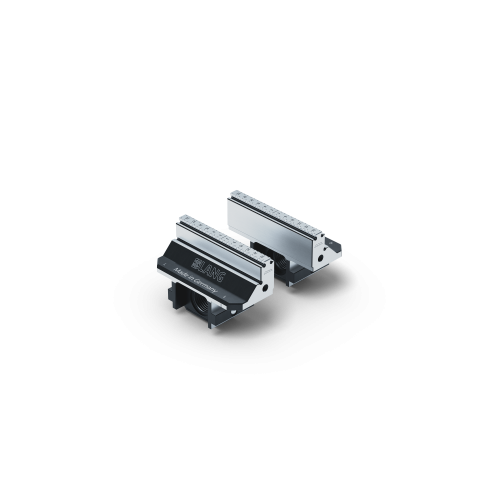

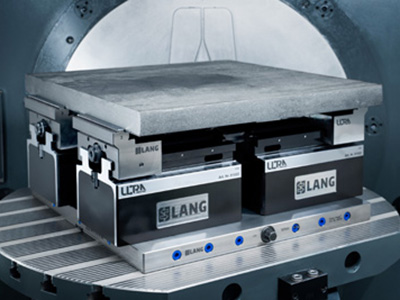











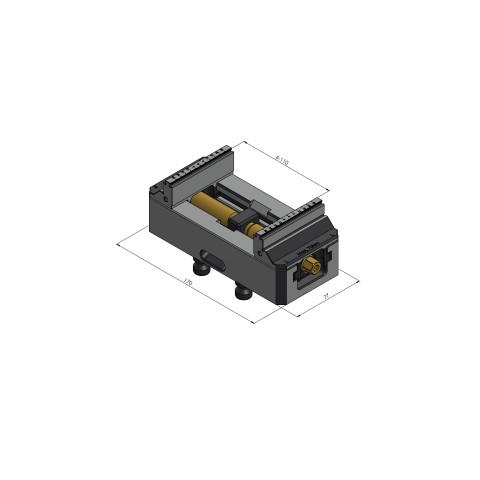
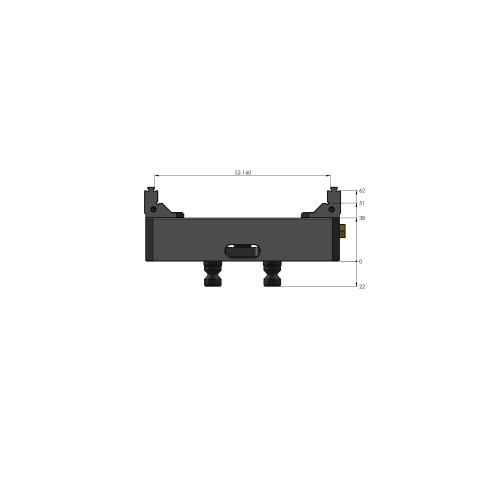
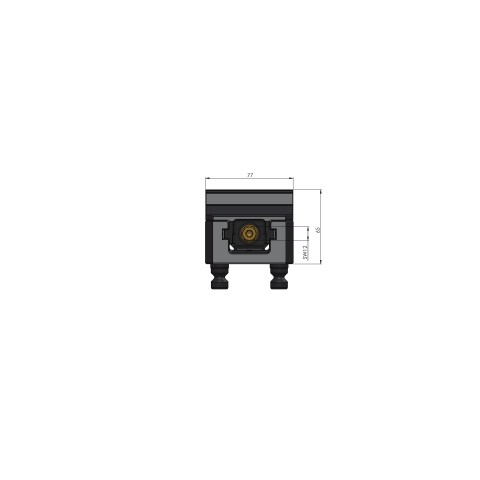

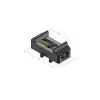
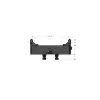
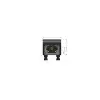
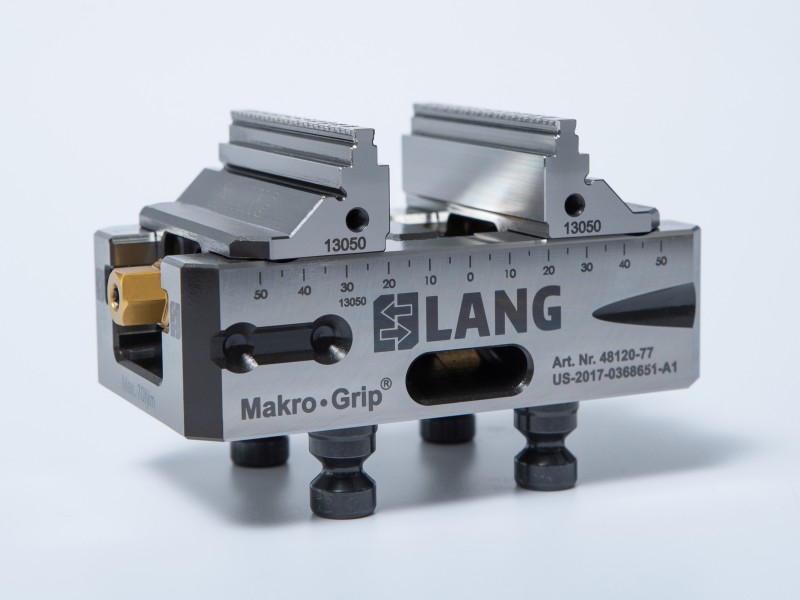
Makro•Grip® 77, 5-Axis Vise jaw width 77 mm, clamping range 0 - 160 mm Item No. 48160-77
Key data at a glance
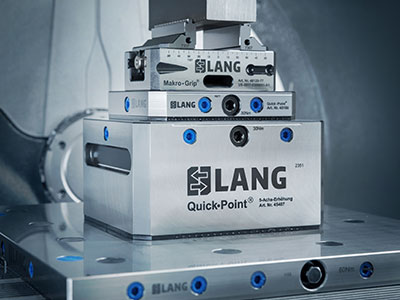
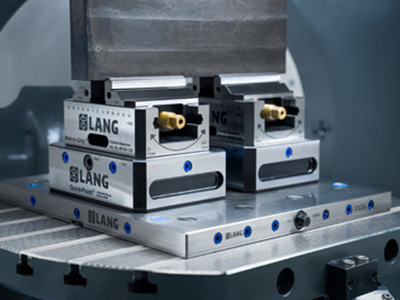
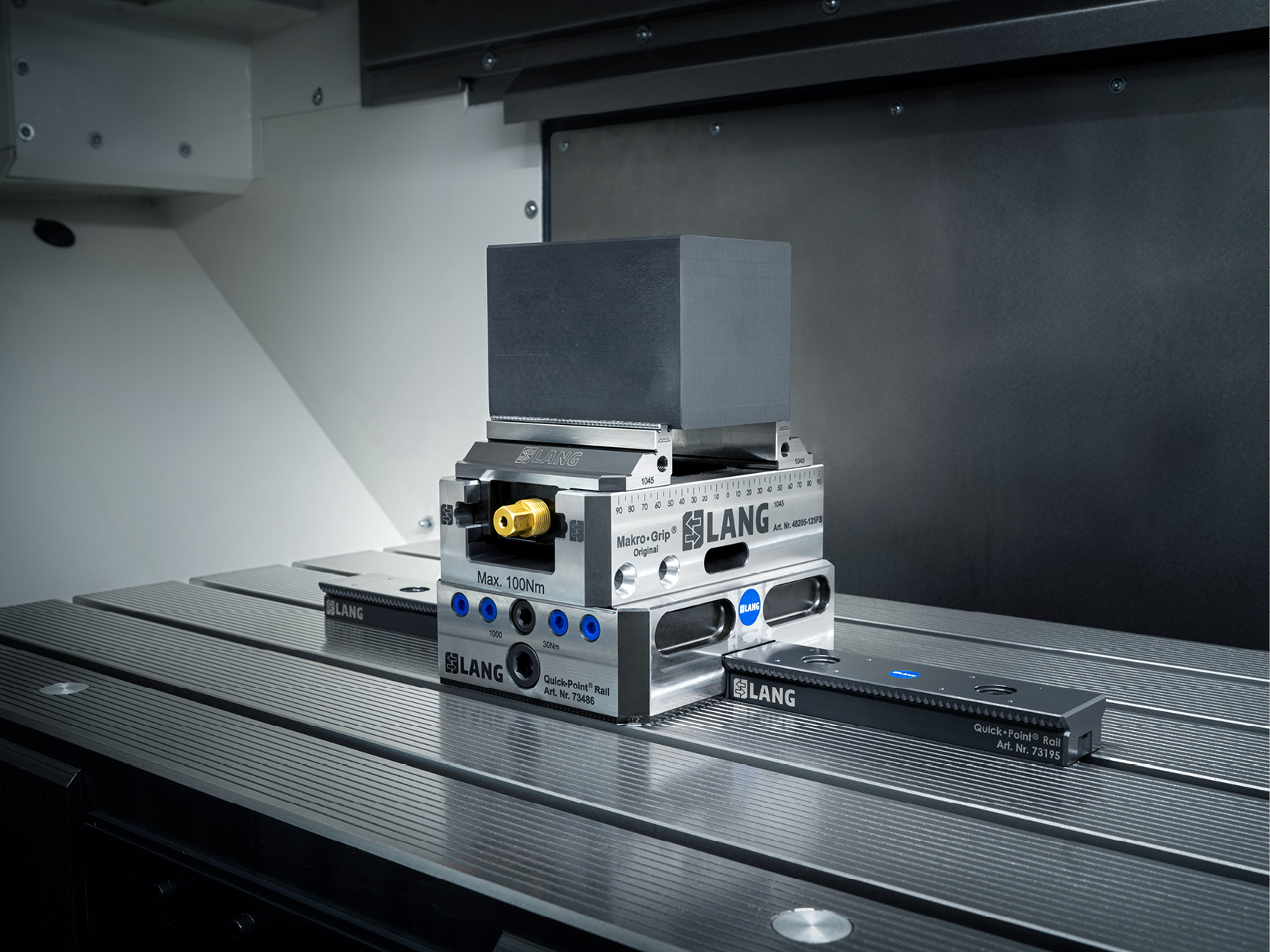
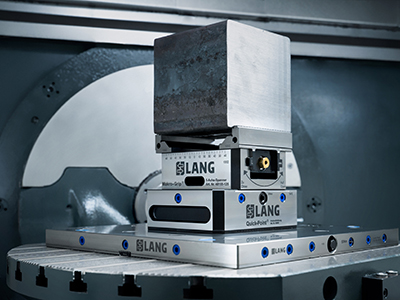
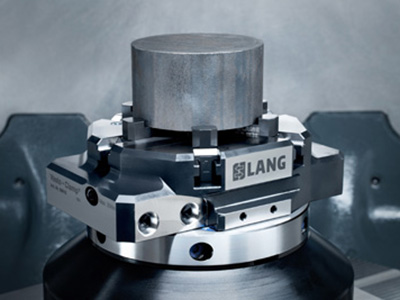
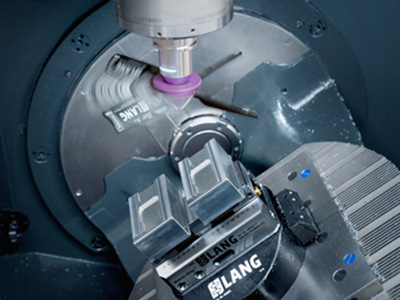
The 5-axis vise from LANG Technik is characterized by its compact design and high holding forces. Its strengths come into full effect especially in the 5-axis machining of raw material. The 5-axis vise made of case-hardened steel and its clamping jaws milled from solid material easily endure even the highest strains in machining production. With its form-fit clamping technology, it ensures maximum safety in the machining process.
More features:
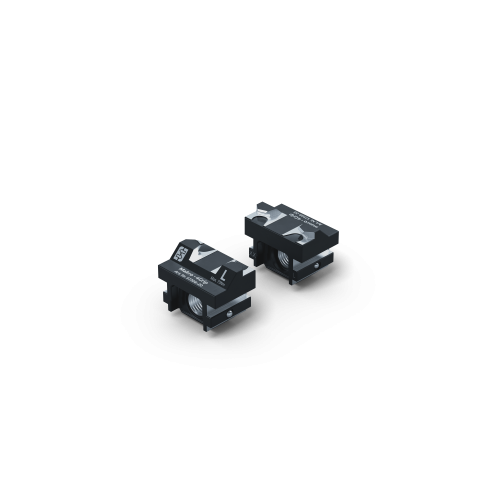
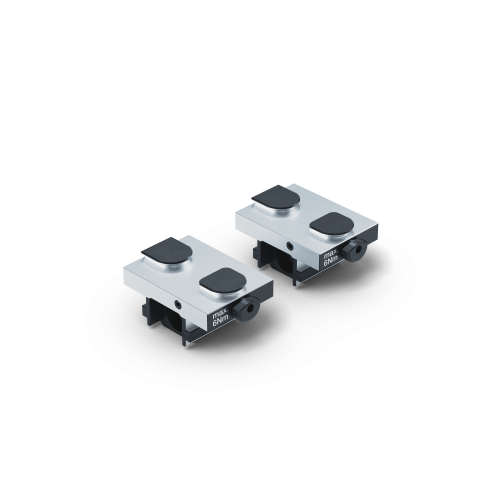
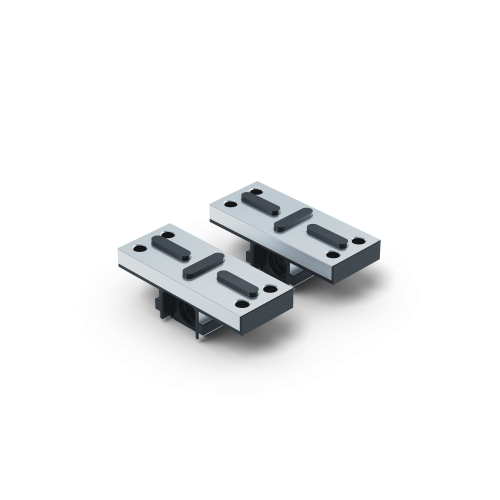
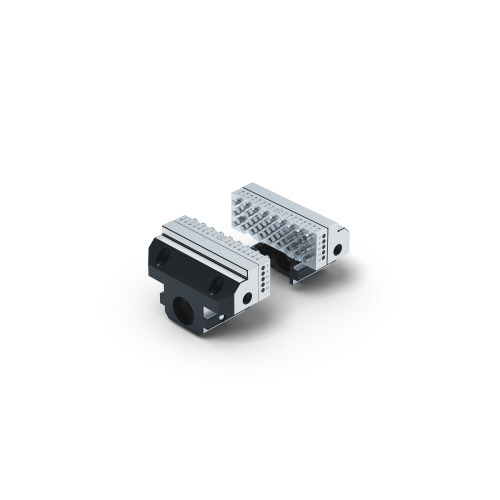
Single components features:
Spare Jaws
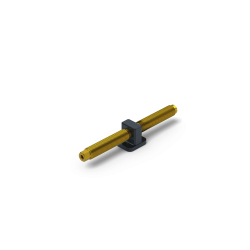
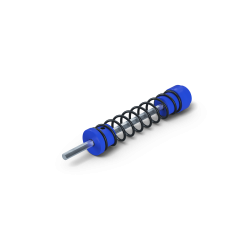
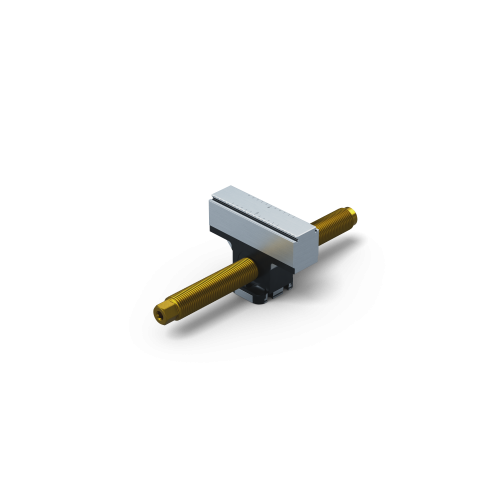
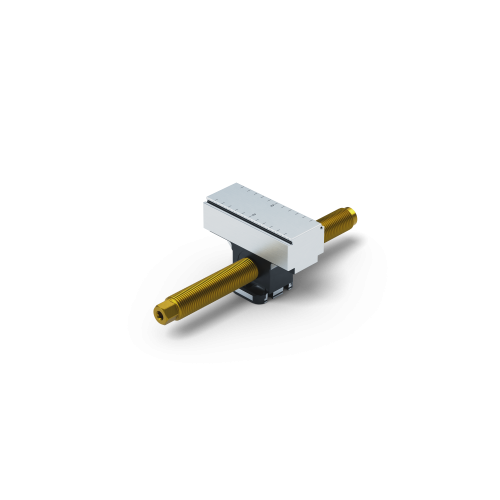
Spindle + Center Piece
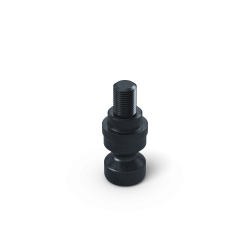
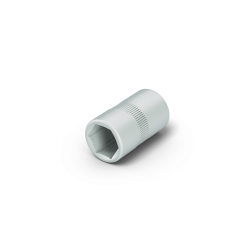
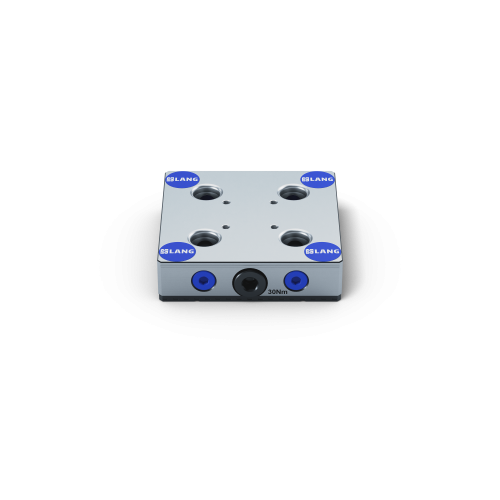
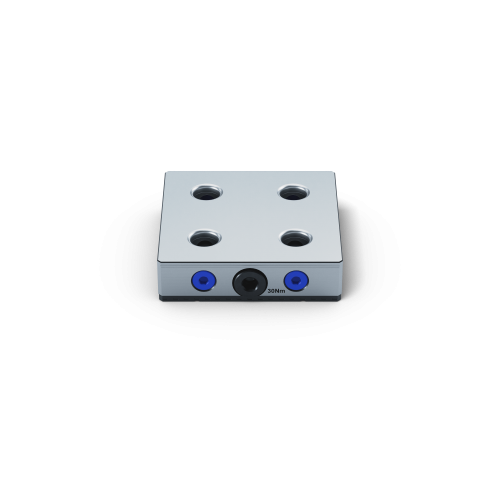
Clamping Studs
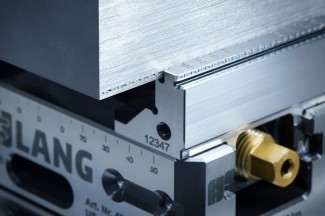
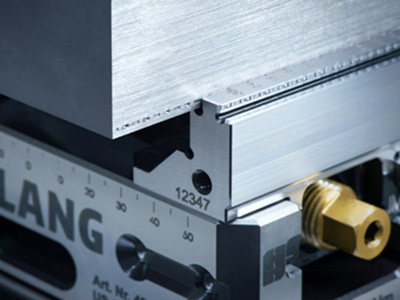
Makro•Grip® Stamping Technology and Raw Part Clamping
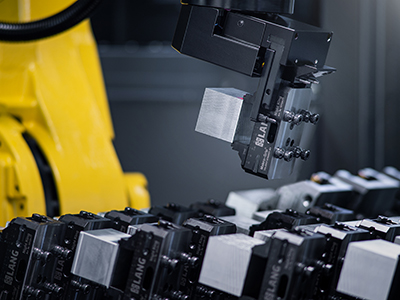
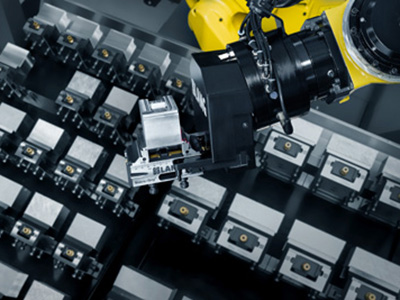
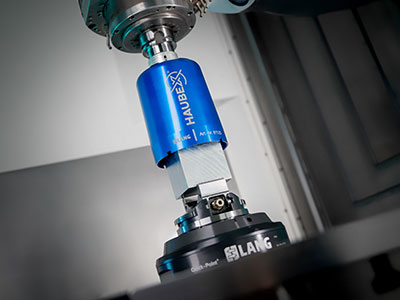
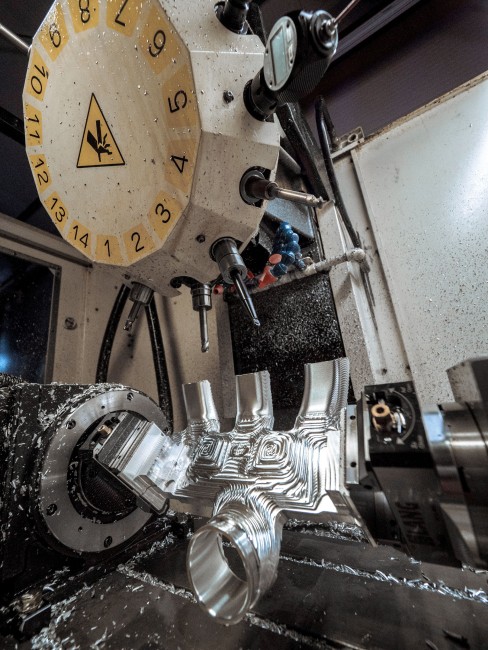
The Makro•Grip® 5-Axis Vise and its unique benefits of the stamping technology has been considered „The Original“ and a benchmark in the 5-face machining of raw parts for years. Its compact design and high holding forces make the Makro•Grip® 5-Axis Vise the ideal clamping device for machining raw parts.
- Holding force Thanks to the form-fit clamping principle, highest holding forces can be achieved with Makro•Grip®, even at low clamping pressure.
- Process reliability Clamping with Makro•Grip® provides maximum process reliability and is easy on the workpiece to be processes at the same time.
- Accessibility The compact Makro•Grip® self-centering vises guarantee ideal accessibility in the 5-axis machining of raw parts.
Learn more about the benefits and functionality of our workholding solutions for raw part and second operation machining.
Discover nowApplication pictures
Application videos
Services
We will be happy to advise you individually and adapt your products for the best possible application.
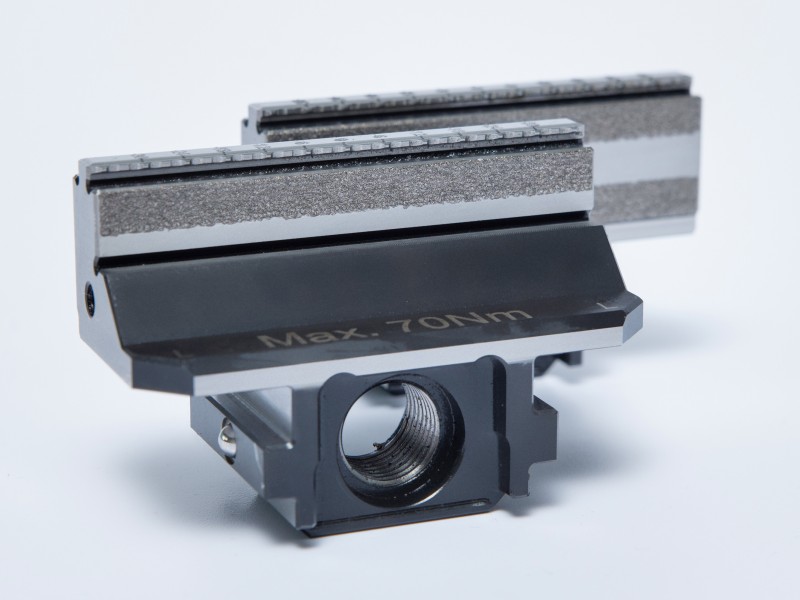
Tungsten-Carbide-Coating
A special Tungsten-Carbide Coating can be applied on the plain clamping surfaces of the Mak-ro•Grip® jaws in order to double the friction force when clamping non-stamped parts, without leaving any traces on the workpiece.
Modified Clamping depth
Sometimes raw material has a certain radius, which makes it hard to clamp it on the 3 mm step of the Makro•Grip® jaws. This can be solved by lowering the clamping step so that the workpie-ce is held above the radius. On the one hand, this provides a resting surface for the workpice, on the other hand it ensures safe clamping.
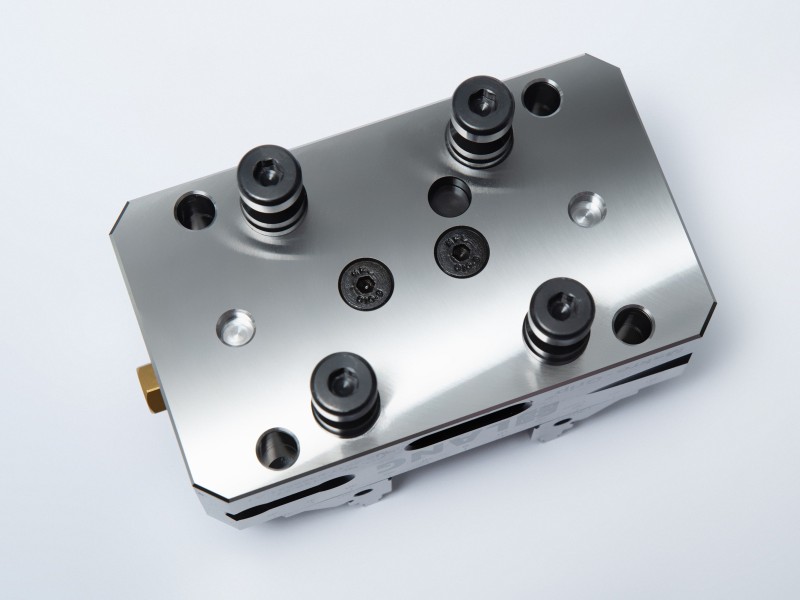
Spare parts and individual components
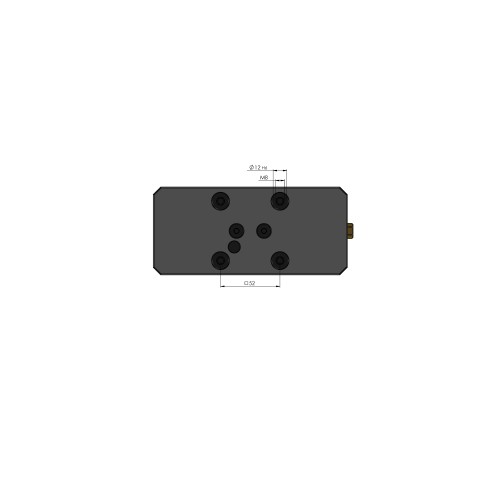
Item No. 48077-7720
To product page